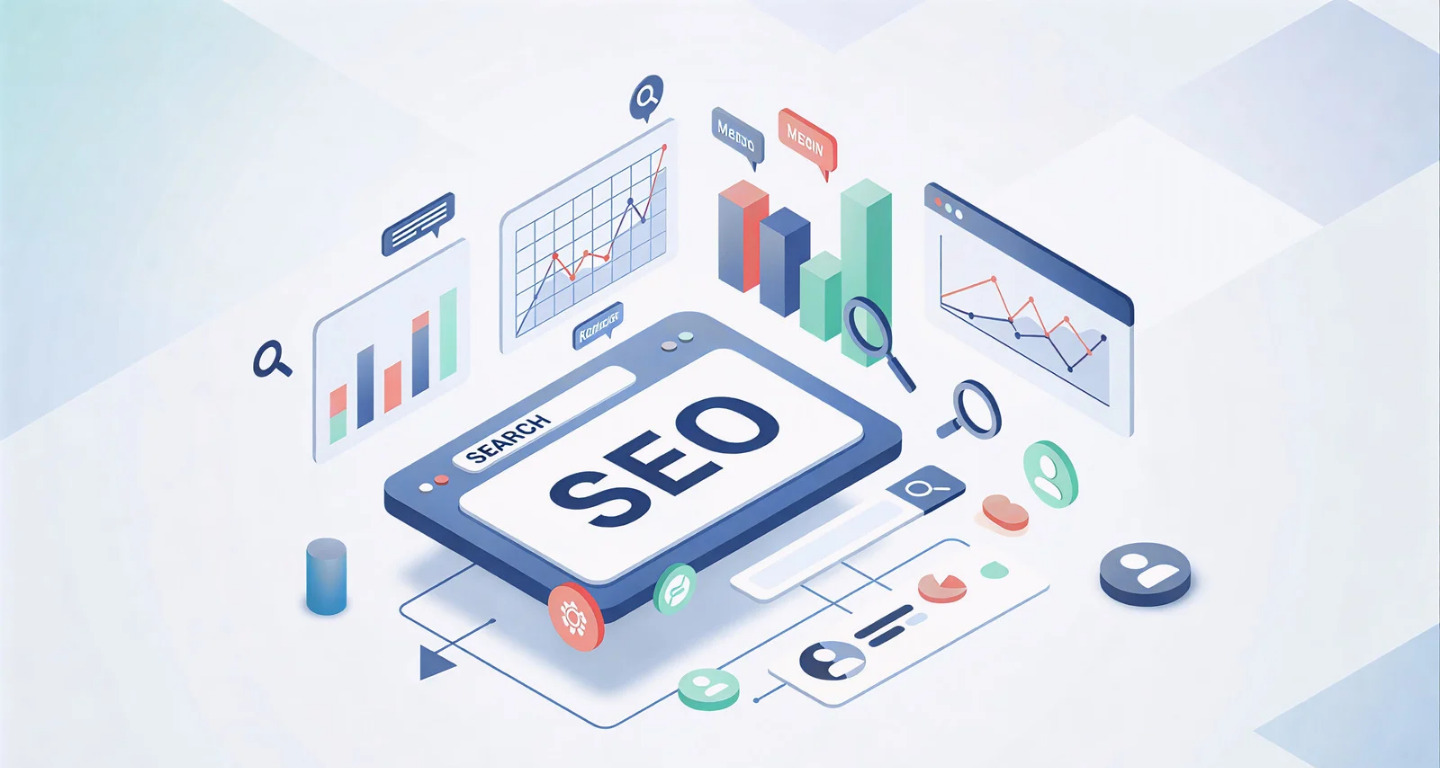
As digital competition intensifies, small businesses must adopt focused and data-driven strategies to grow efficiently. In 2026, success will depend on integration, consistency, and performance measurement rather than isolated marketing efforts.
SEO remains a foundational growth channel. Optimizing for search intent, local visibility, and high-quality content allows businesses to attract customers actively searching for their services. Long-term SEO reduces dependency on paid ads and builds sustainable traffic.
Content marketing continues to play a vital role. Educational blogs, case studies, and industry insights help establish authority and trust. Businesses that provide value-driven content are more likely to engage users and convert them into loyal customers.
Social media presence is no longer optional. Strategic use of platforms enables businesses to build relationships, showcase expertise, and remain top-of-mind. Consistency in messaging and branding across platforms strengthens recognition and credibility.
Analytics-driven decision-making is another critical factor. Businesses must track performance, understand user behavior, and refine strategies based on real data. This ensures marketing efforts are efficient and aligned with business objectives.
In 2026, digital growth is not about doing everything—it is about doing the right things consistently. Small businesses that focus on SEO, content, social engagement, and analytics will be best positioned to scale sustainably in competitive markets.